Doctoral Research
❧ In a nutshell:
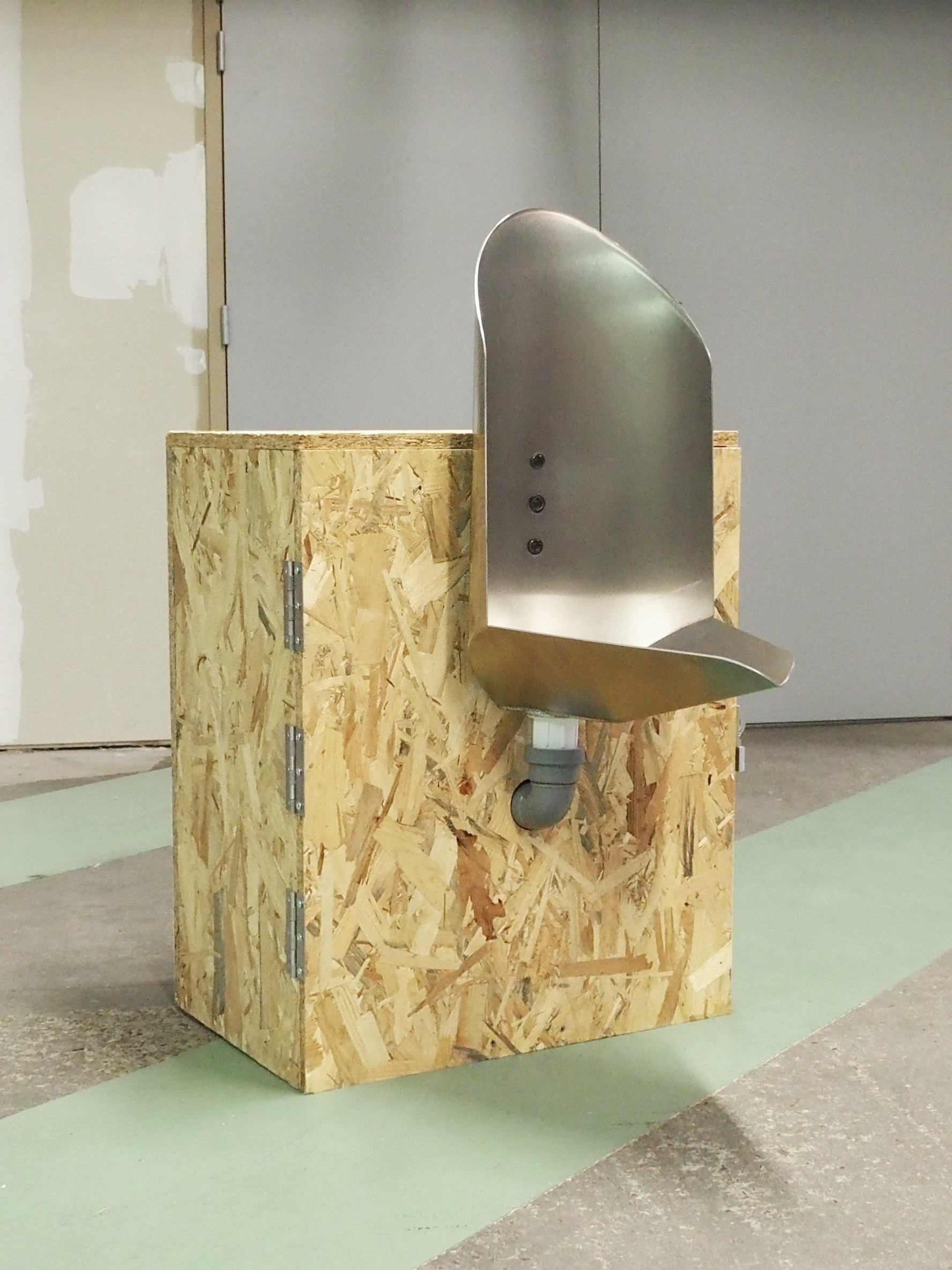
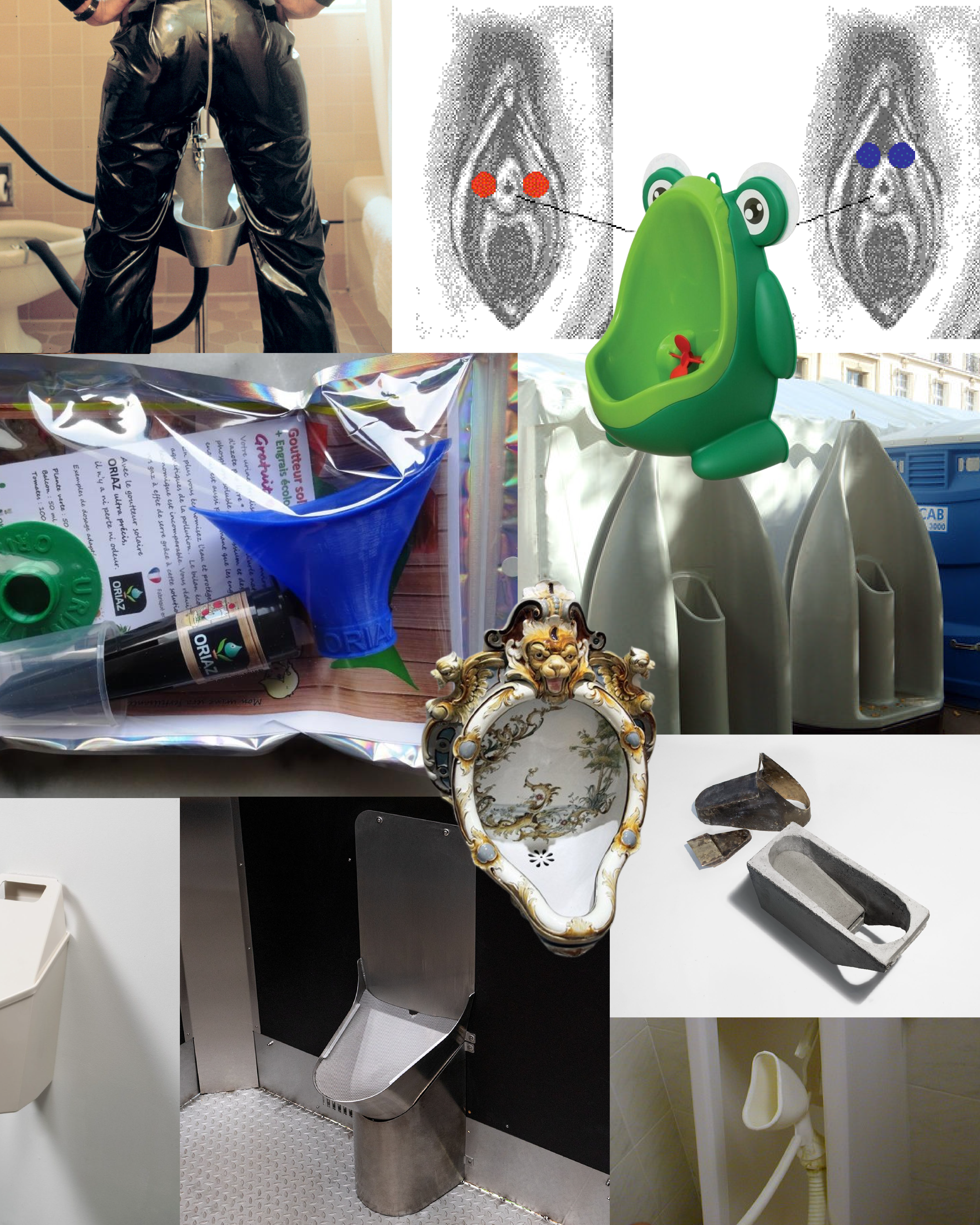
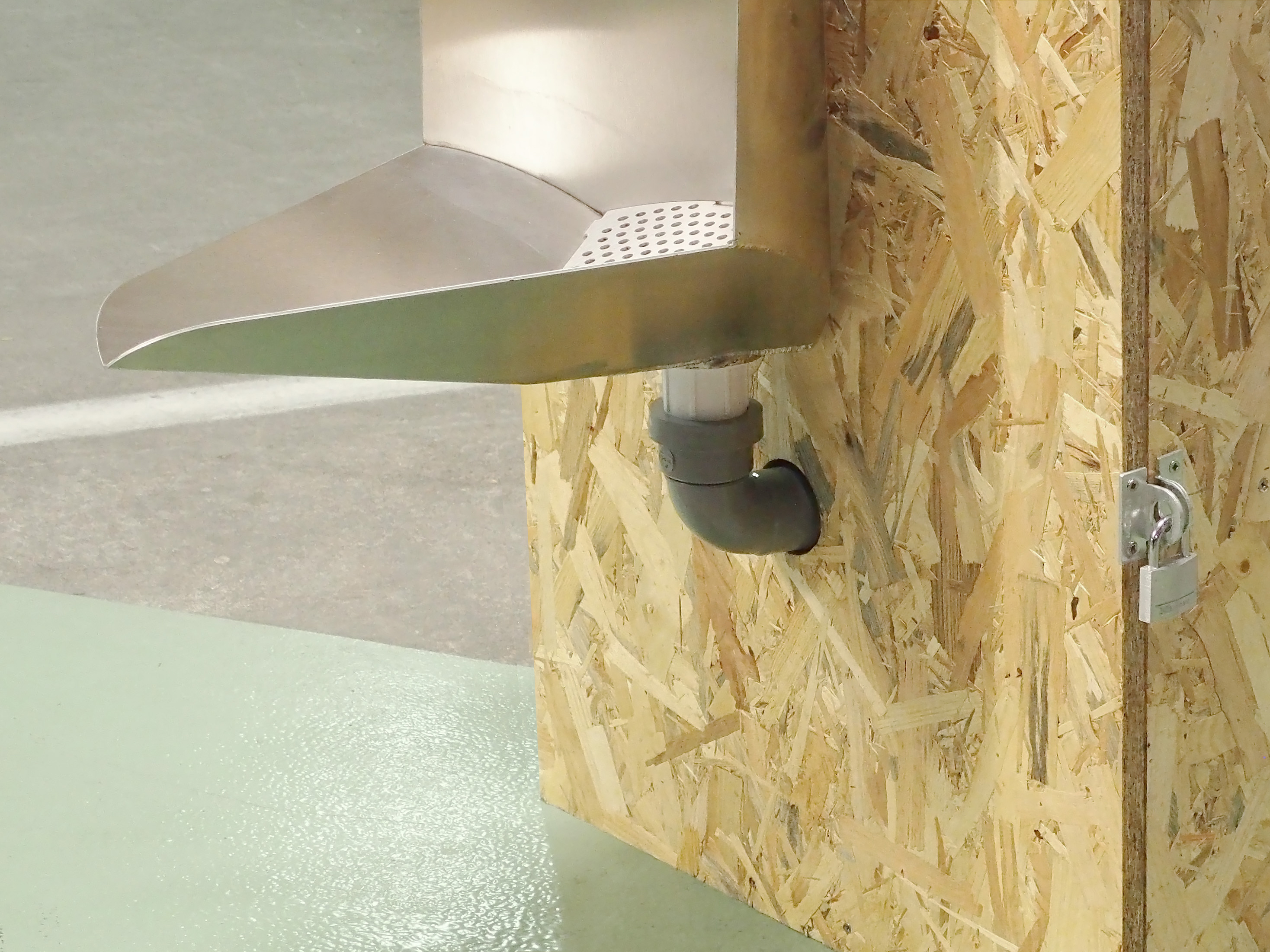
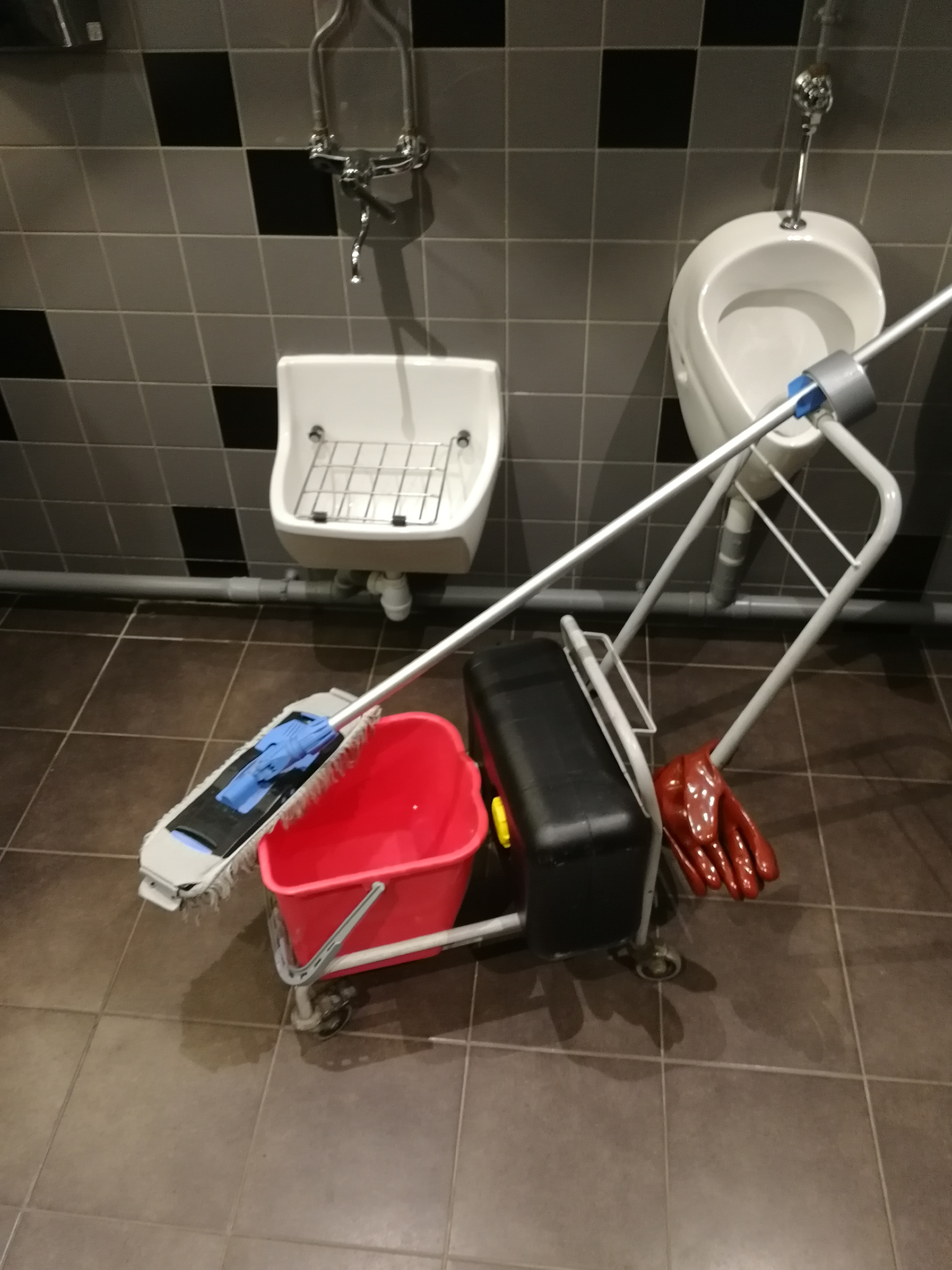
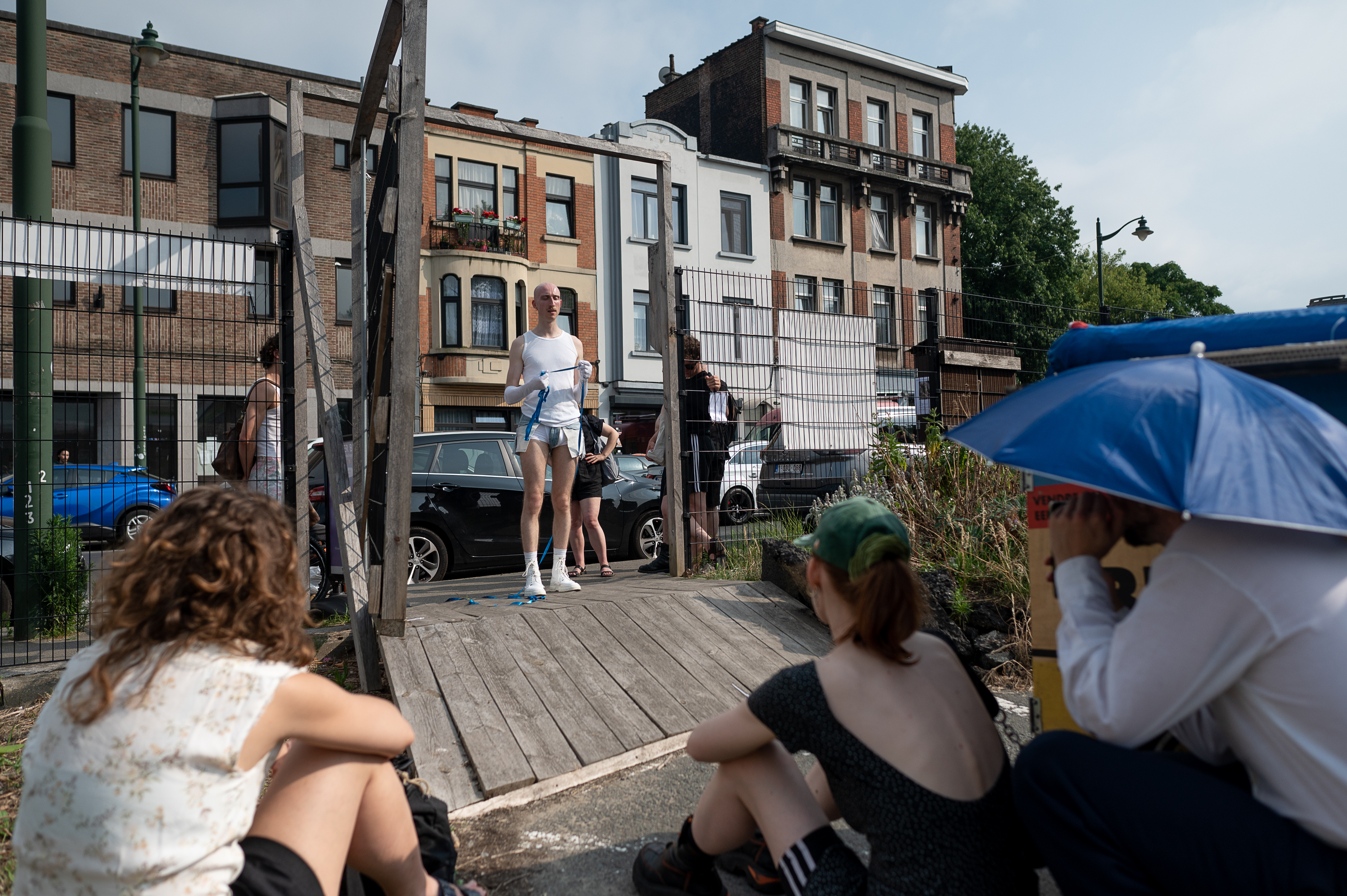
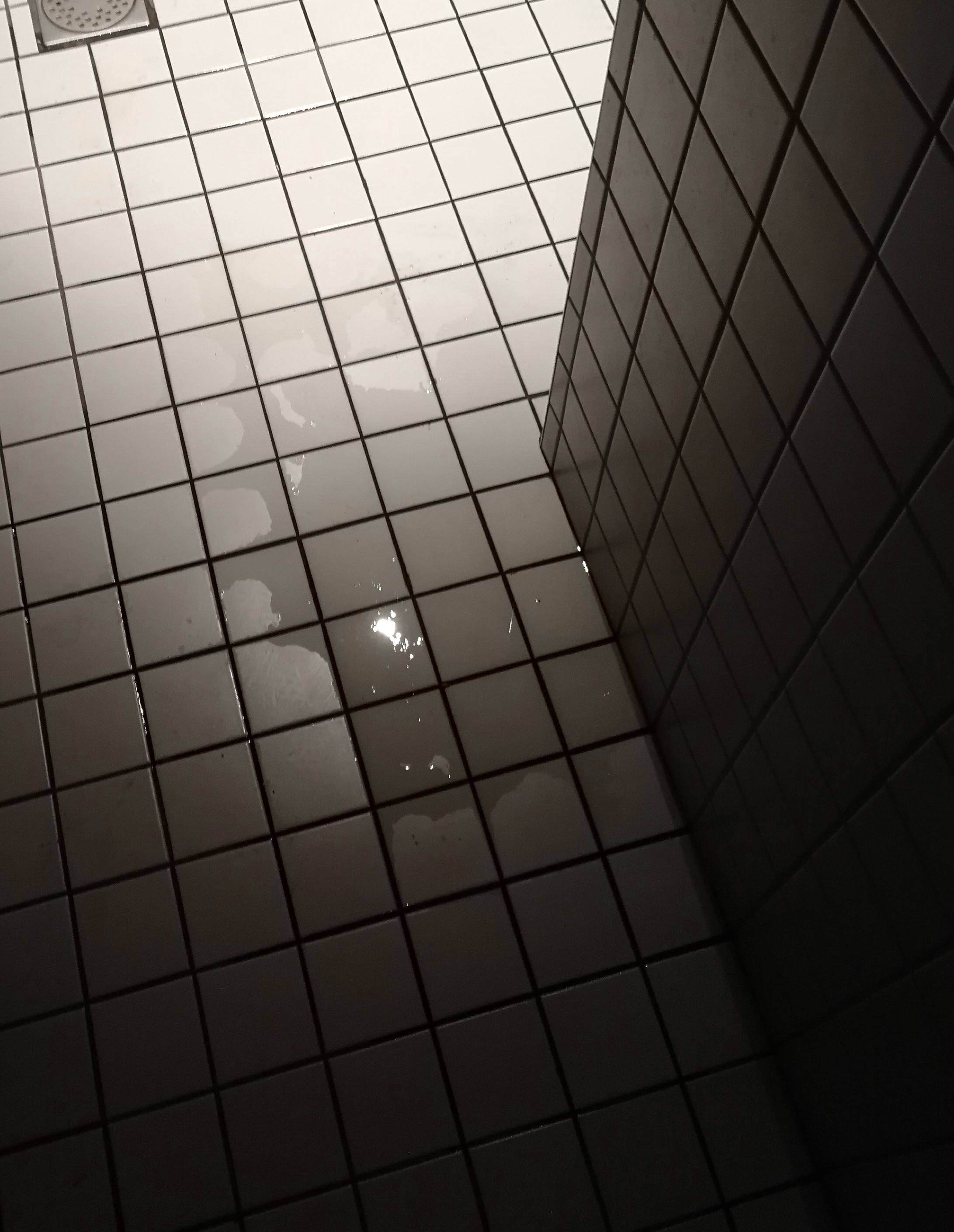
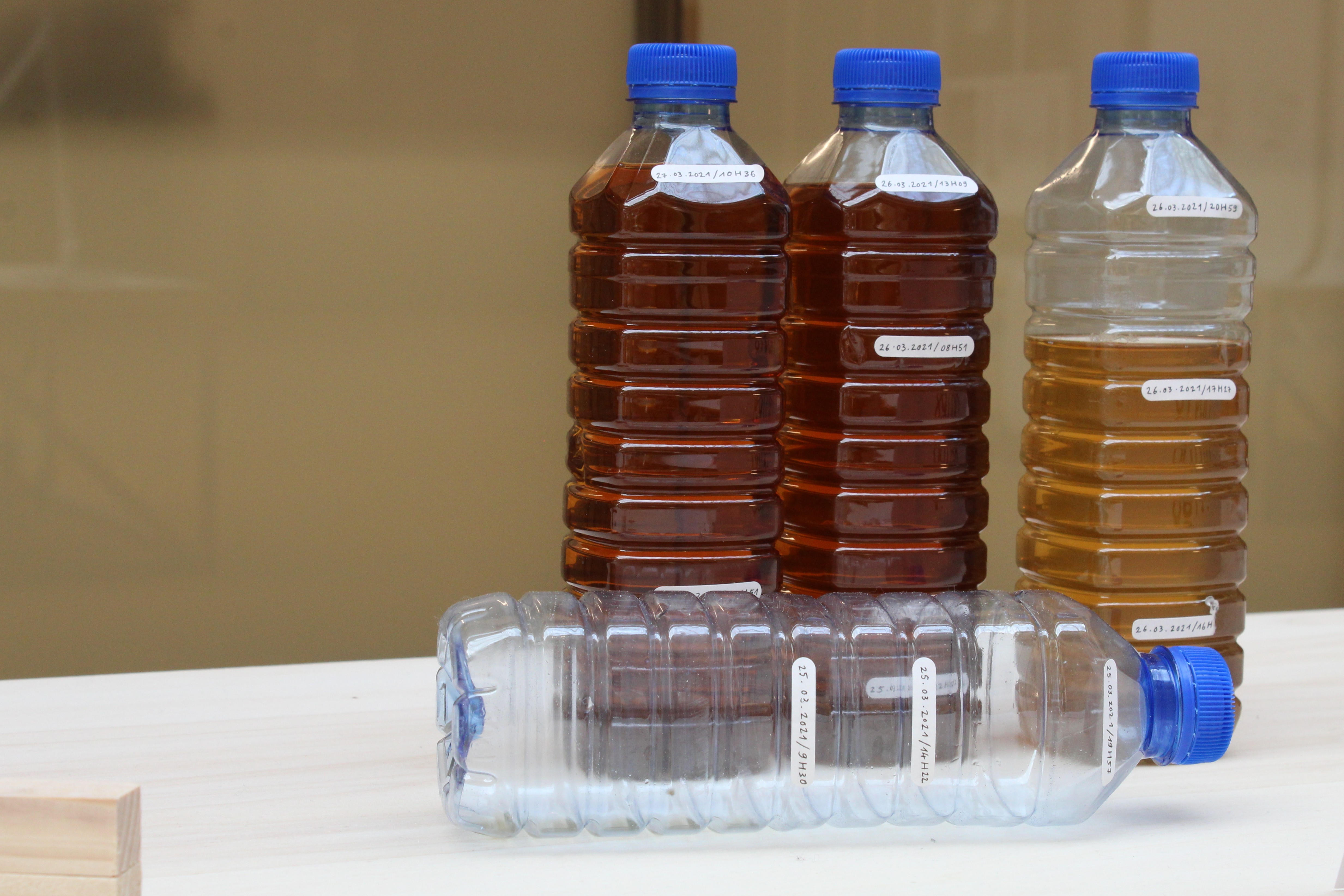
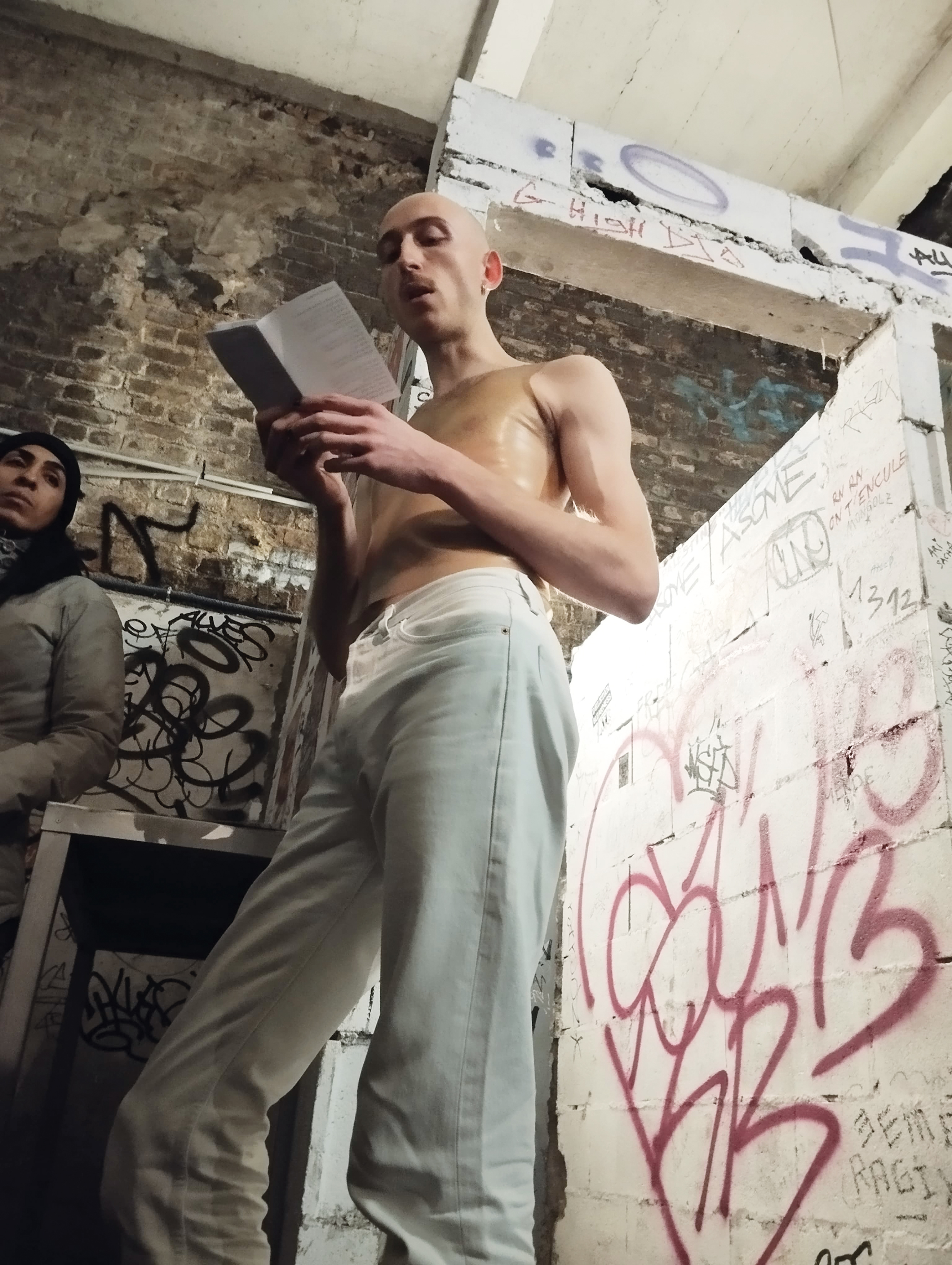
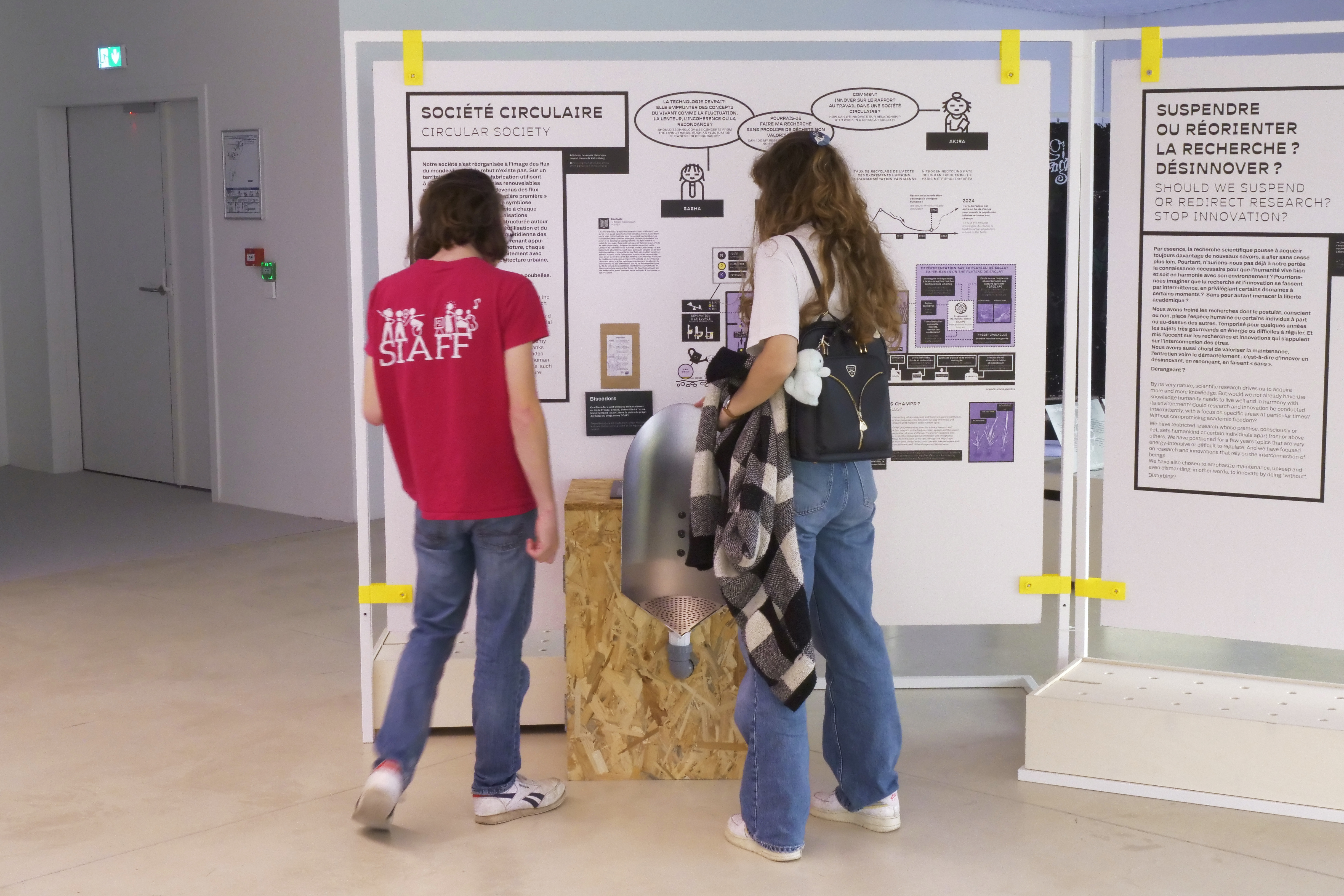
My practice-based research focuses on changes in perception and representation in relation with new systems for recycling human urine for agriculture, with a focus on urine collection devices. To study that, I carried fieldwork with a dry gender-neutral urinal I designed, smelling workshops, writings and performances.
❧ Full abstract:
The agricultural recycling of human urine addresses contemporary socioecological challenges, such as ecosystem pollution, energy consumption, and the depletion of fossil resources. Indeed, the valorization of urine offers a way out of the centralized sociotechnical system of wastewater drainage, by closing nutrient loops for agricultural production and creating a circular system. However, the design, implementation, and sustainability of appropriate devices raise questions regarding their relationship with the users and stakeholders involved. Among the diversity of technical objects that can be used to collect urine for recycling purposes, the perceptions and representations at play in these relationships (i.e. their affective dimensions) are diverse, yet have not been further explored. The notion of social acceptability is therefore identified and defined as an operational framework for studying the relational dynamics between stakeholders and the project or the relevant technical objects. This gives rise to the question of which perceptions are at play in the relational dynamics of stakeholders towards a device designed to collect human urine for agricultural recycling.
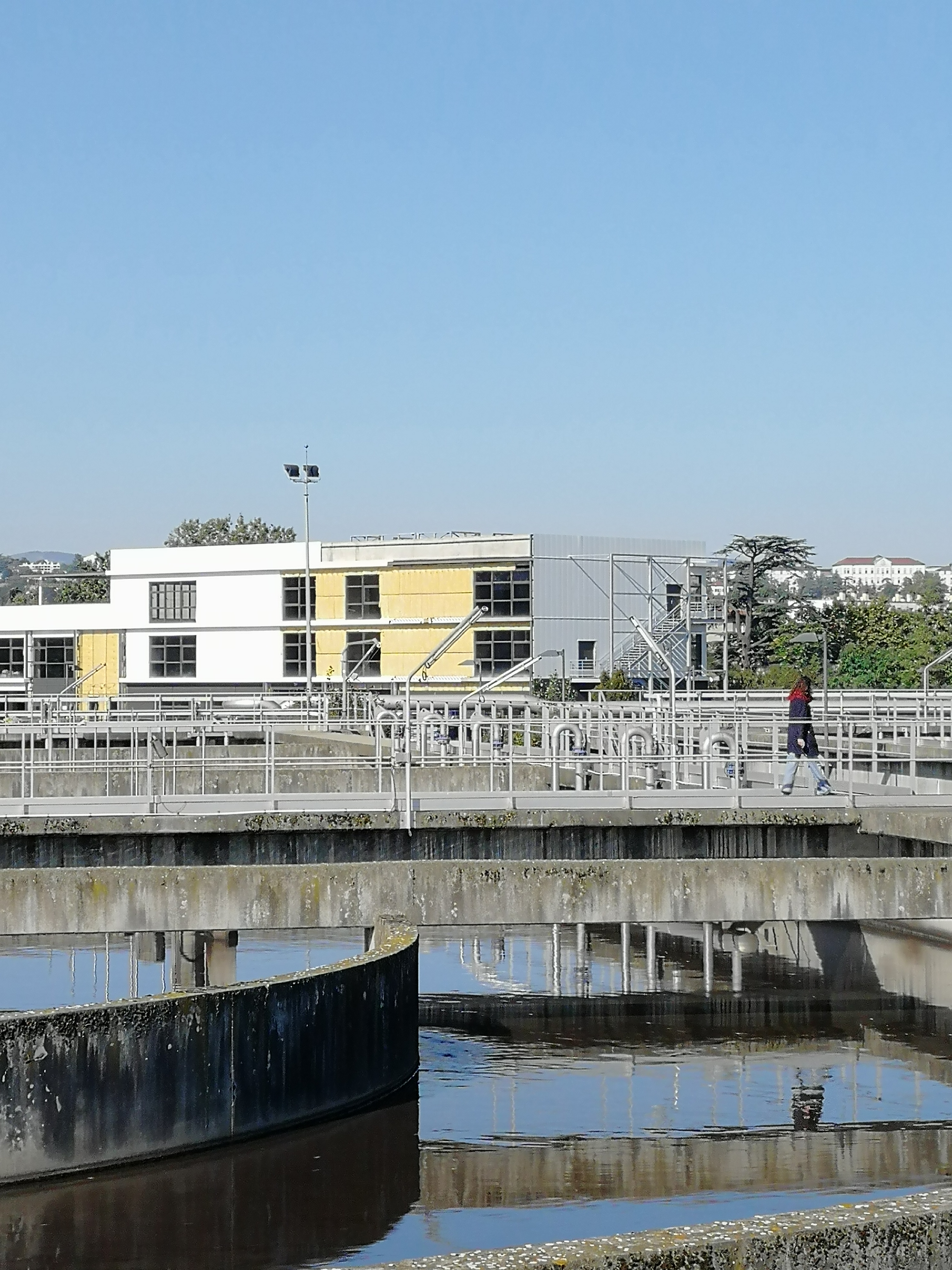
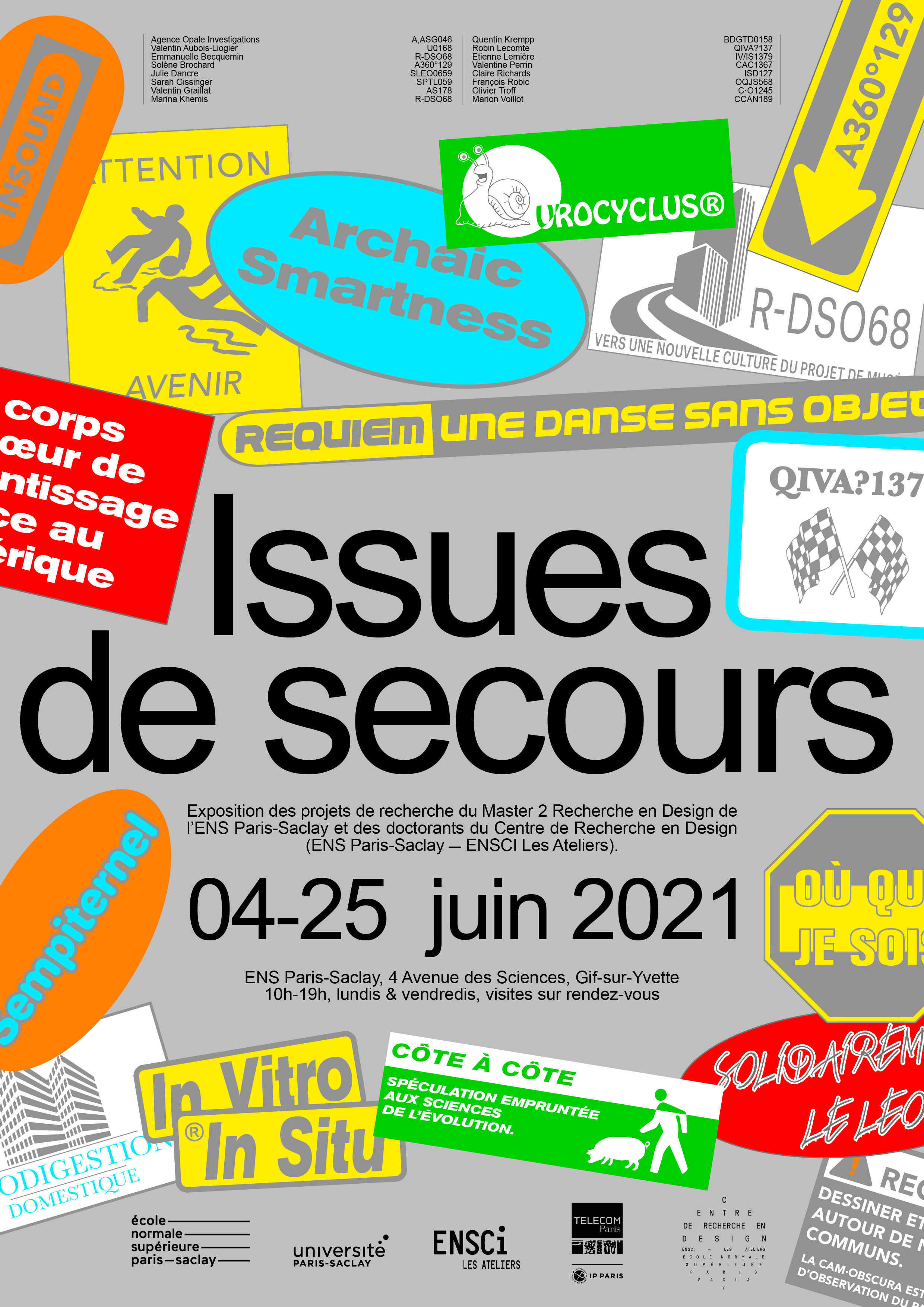
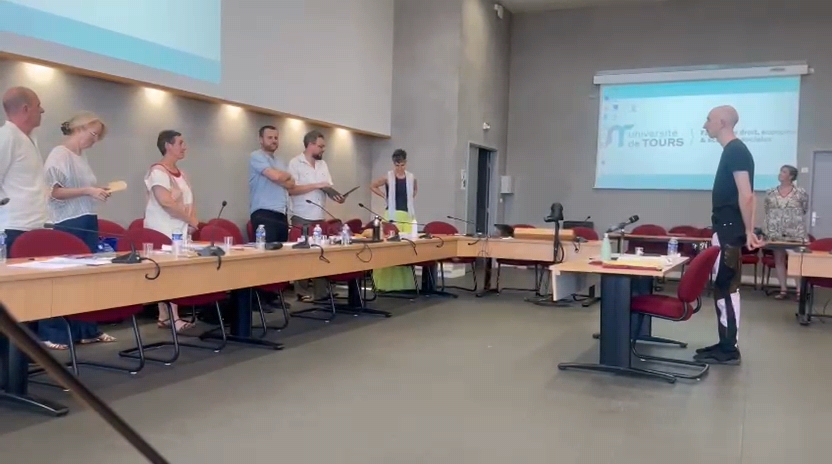
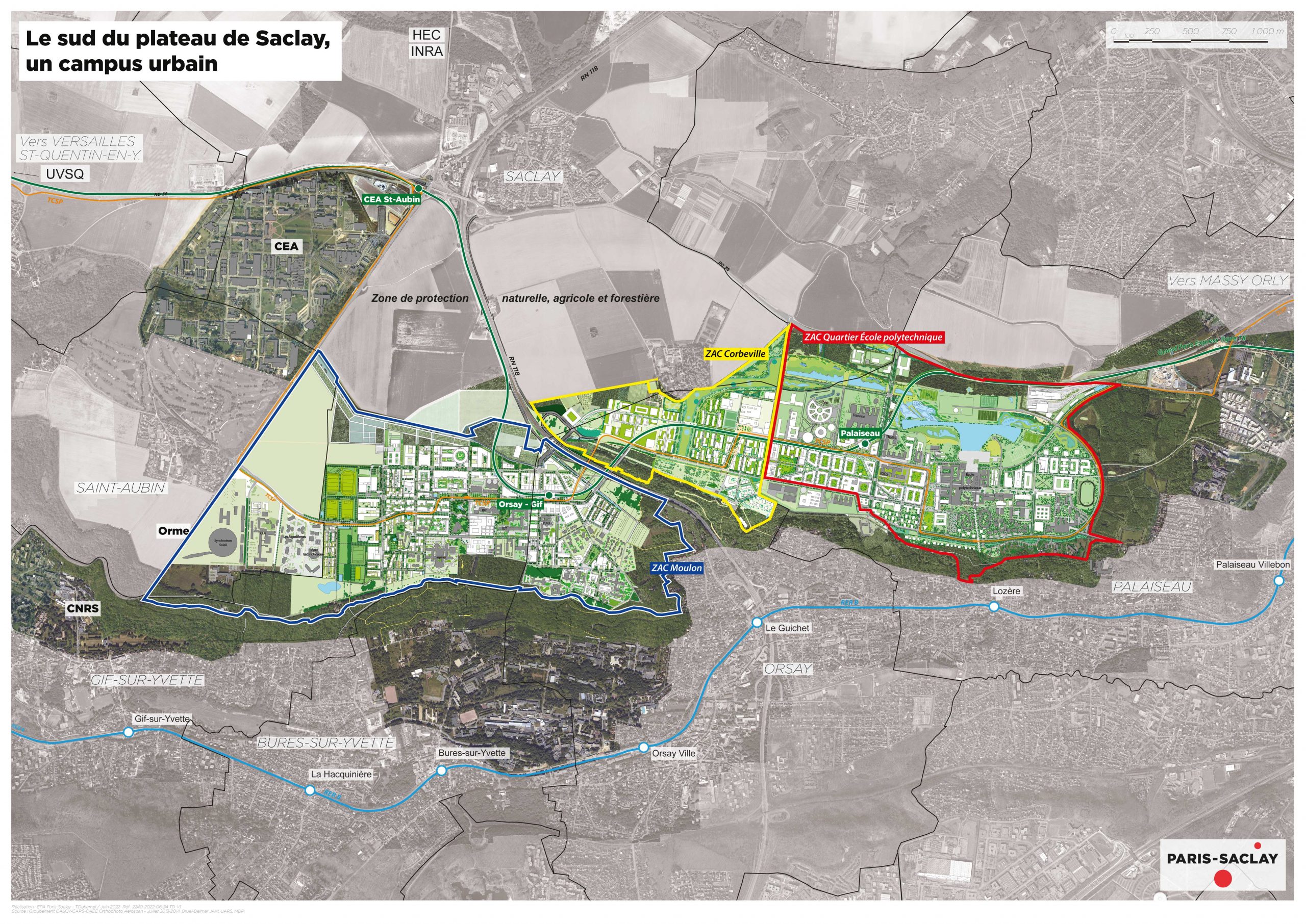
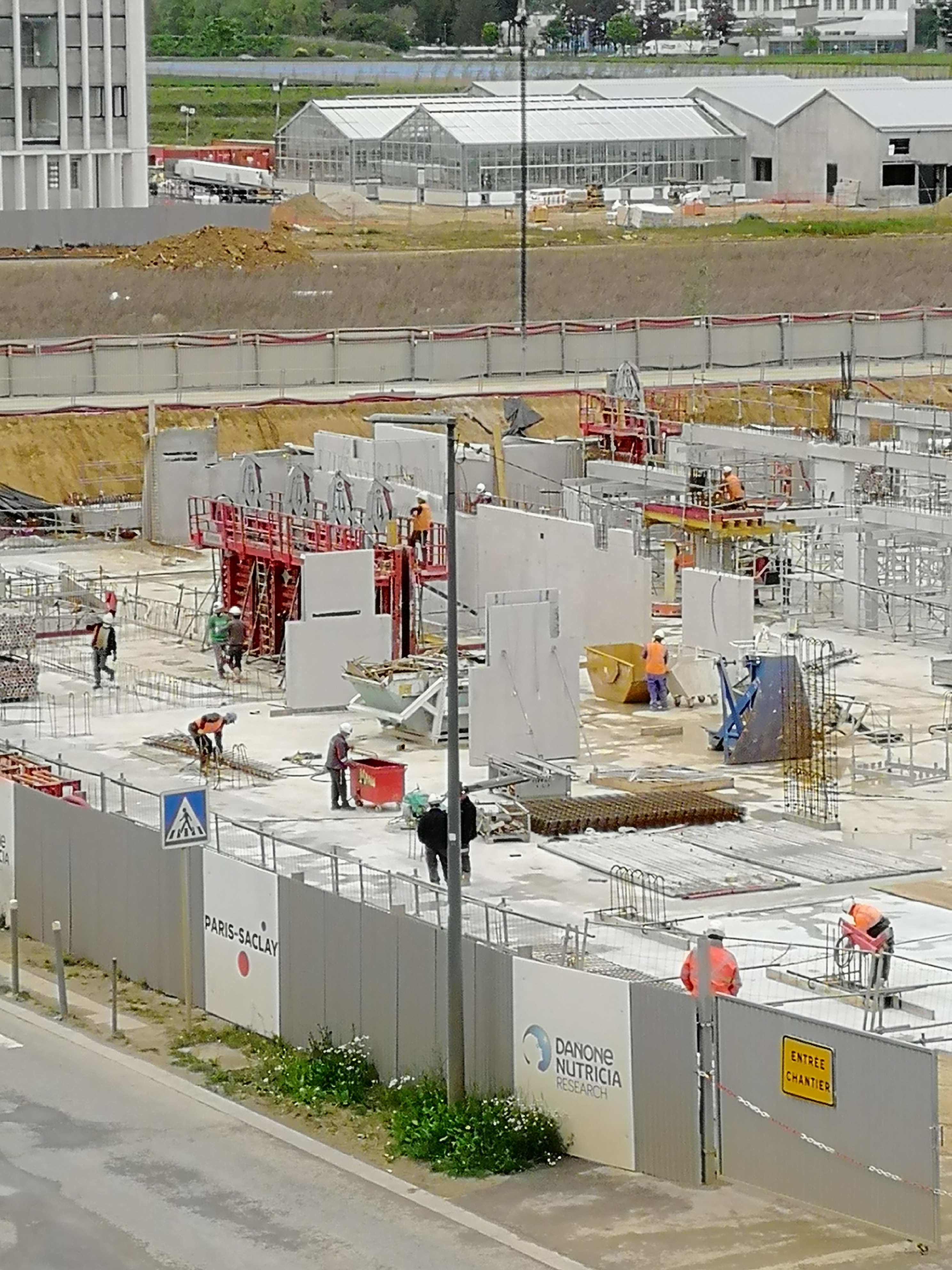
This research in Design and Planning examines these new relationships by situating them within the sociocultural and sociosensory history associated with the flush toilet, in order to understand their points of continuity and rupture. The technical object of urine collection serves as both an entry point and an articulating axis for the interrelated issues at stake. It is more specifically through the design, development, and implementation of a design project conducted for this research that the perceptions and representations of stakeholders are studied. The aim is to understand their role in the overall relational dynamic of acceptance. The Research-Through-Design (RTD) project Urocyclus articulates other research methods (various forms of observation and interview) to carry fieldwork on the experience of these relationships, both a priori and a posteriori. Urocyclus was developed for and within the ENS Paris-Saclay, on the territory of the Plateau de Saclay. The particular dynamics of this territory in relation to urine recycling were analysed through direct observation and interviews. The Urocyclus collection device was ultimately experimented in actu at the University of Tours. Further investigations were subsequently conducted to deepen the sensory dimensions associated with the project, notably through olfactory workshops. Additional studies and artistic works (research-creation) also nourish the arguments and reflections throughout the research.
This research demonstrates, among other things, that current projects engage limited sociocultural and sociosensory change in the relationship to the collection device, whereas the ecological sanitation movement proposed a clear rupture of the established triple order (sociotechnical, sociocultural and sociosensory). By analysing the continuum of uses, it appears that this stems from a maximized continuity of past practices. In counterpoint, it invites to a strategy of deliberate rupture. In the case of the Urocyclus device, challenging established uses, the relational dynamics of acceptability are predominantly positive and gradual. This is so despite considerable resistance to change, rooted in deep representations surrounding urine and toilets, as well as collective and individual unease around excreta, and institutional inertia. Values and representations thus emerge as the most determining factors in these relationships, and the sensory dimensions are shown as significant factors. Beyond urine recycling, the RTD method itself is assessed in its limitations and strengths. It is, finally, through the sensory approach to recycling, intertwined with design choices that revise the notion of comfort, that a path emerges carrying the potential for profound socioecological change.
➺ Supervised by Denis Martouzet (CITERES/DATE) & Suzel Balez (AAU/CRESSON).
➺ Funded by the École normale supérieure Paris-Saclay (CDSN) and
the MSH Val-de-Loire (public funding competition 2022).